

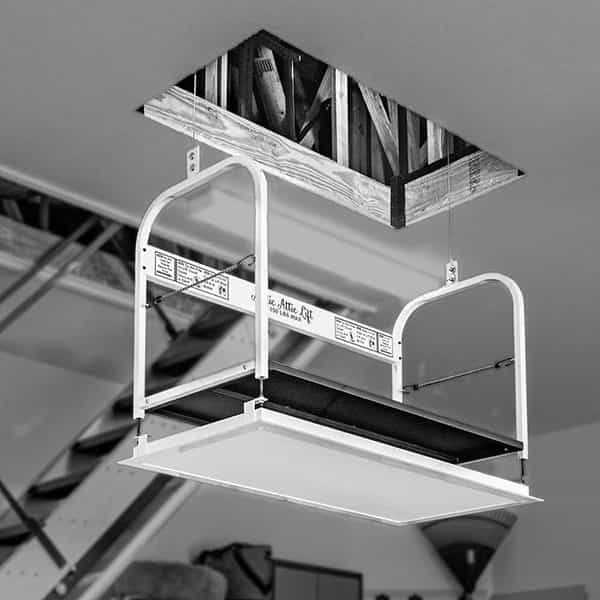

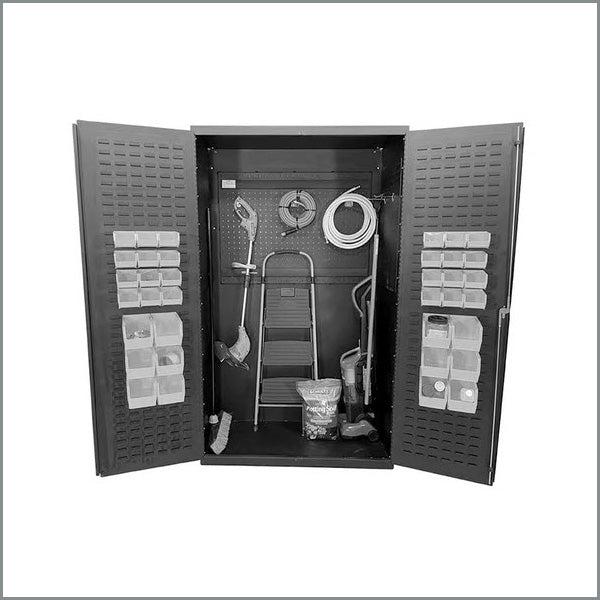

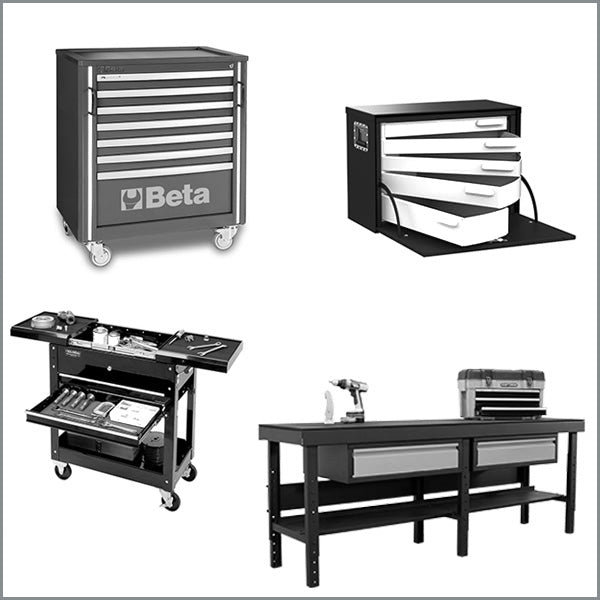


Your workbench is completely buried under off-season gear, and heavy holiday decor bins are stacked three deep on the concrete floor. That seasonal clutter is actively stealing valuable storage space that legitimately belongs to your tools and actual building projects.
If you want to efficiently reclaim your garage area, finding the right attic storage solutions is your first immediate step. By the end of this guide, you will know exactly how to assess your headroom and apply attic storage ideas that expand your usable space with a modern organization system.
Why are Attic Storage Solutions Important?
Workspaces get overwhelmed incredibly fast with different types of gear. Seasonal items, heavy cardboard boxes, and bulky sports equipment all end up aggressively competing for the exact same floor and vertical space.
When your primary workspace tragically turns into an expensive and cluttered storage unit, it completely kills your visibility and ability to successfully fabricate, weld, or build.
When you build out the upper level correctly, it directly extends the functional structural footprint of your entire home, your living space, and your basement. You reclaim room to work, organize your precision gear, and free up the main level for the heavy-duty cabinets and tools you rely on daily.
|
Key Insight: Intentional attic space maximization is a strategic decision. By moving seasonal overflow upstairs, you directly expand the living space functional footprint of your home and reclaim your workspace for actual heavy-duty projects. |
How to Assess Your Attic Space
Building the best storage solutions for attic spaces means starting at the structural bottom, literally. You absolutely must measure the environment before you permanently mount brackets or hanging tension rods.
Skipping the physical assessment phase just leads to bent metal, ruined ceiling drywall below, and hauling heavy storage options up only to discover the wood floor cannot safely hold them. Before you touch a tool, the following key areas need a critical look:

Attic Roof Height and Layout
Measure the attic roof height before planning storage. Aim for about 7 feet of clearance at the center to allow walk-in access. Areas under 6 feet work best for storage. The 4 to 6 feet range suits shelves and low cabinets, while anything under 4 feet is ideal for bins and drawers.
Check the Structural Support
Unfinished attic joists are not meant to hold storage without proper plywood flooring. Most unfinished attics support only 10 to 20 pounds per square foot, so check your load limits before storing heavy items.
Install plywood decking to spread weight across the framing, but do not compress insulation. Keep enough space for ventilation air traveling from the soffit vents to the ridge vents, with air gaps above the insulation.
Raised flooring panels can help protect both airflow and insulation. Avoid blocking edge vents with boxes or stored items.
Check Lighting & Ventilation
Easy access makes attic storage more usable. A hatch limits what you can carry, while attic stairs improve convenience. Good lighting, whether battery-powered or hardwired, also makes the storage space safer and easier to use.
Keep airflow paths clear to prevent moisture problems. Make sure soffit vents are not clogged, painted over, or blocked by insulation. If there are no soffit or eave openings, the attic should have a net free ventilating area of at least 1/150 of the attic or roof space. Blocked ventilation can lead to humidity, moisture damage, and ruined stored items.

Attic Storage Ideas for Maximizing Space
You have successfully measured the slopes, physically checked the structure, and completely know your overhead access situation. Now it is strictly time to build a smart combination that actually works out.
1. Use Built-In Attic Storage Solutions for Sloped Ceilings
Built-ins are a great idea for those awkward attic spaces with sloped ceilings and low eaves. Custom framing or fitted panels can turn these areas into clean, enclosed storage while making use of wall space that often goes unused.
Pull-out drawers work well under low slopes, while low-profile cabinets and shallow shelves fit mid-slope areas. Hooks and vertical dividers are useful in transition zones for long or rolled items.
2. Add Shelves, Cabinets, and Clear Bins
Shelves, cabinets, and labeled bins create the foundation of organized attic storage. Freestanding metal shelving works well for heavy items, while cabinets help protect valuable keepsakes from moisture and water damage. Clear plastic bins, on the other hand, improve visibility and make stacking more uniform.
Use consistent bin sizes, keep labels facing outward, and avoid stacking heavy containers too high. Maintain a clear central aisle to ensure everything remains easy to access. Here’s a quick comparison of the best options:
|
Storage Type |
Best For |
Key Advantage |
|---|---|---|
|
Freestanding metal shelves |
Heavy gear, tools, and large bins and cardboard boxes |
Load-rated, repositionable |
|
Modular cabinet units |
Dust-sensitive or valuable family keepsakes |
Clean look, protected storage |
|
Clear plastic bins |
Seasonal decor, clothes, small items |
Visible contents, uniform stacking |
3. Create Attic Storage Zones for Seasonal and Everyday Items
Divide the attic into clear zones to stay organized. Store seasonal items and bulky gear in deeper, less-used areas, keep sentimental or fragile items safely out of main traffic paths, and place everyday overflow closest to the hatch.
A simple rule works best: the more often you use it, the closer it should be to the access point.
4. Modern Attic Organization for Awkward Corners
Awkward attic spaces can still be useful. Low knee-wall areas work well for rolling carts and bins, while flat boxes or pull-out drawers fit low-clearance corners. Taller zones can hold hooks, overhead racks, or hoists for bulky items.
An overhead rack installed near the roof peak can turn wasted space into usable storage and reduce unnecessary trips up and down a FAKRO attic ladder. Just be sure to mount heavy hardware into framing or rafters, not drywall.
|
Pro Tip: Attach slim rail systems along exposed rafters to suspend lightweight gear such as extension cords, small ladders, or holiday décor. This elevates unused vertical zones and allows for more storage space without cluttering floor areas. |
Common Mistakes to Avoid When Organizing

We have all enthusiastically rushed into a garage project and paid for it later. Here is exactly how to safely avoid major traps the second time around, so everything works flawlessly right out of the gate, given the different types of building limits.
- Skipping the structural assessment: Safely know your load rating completely before anything goes up.
- Blocking soffit vents: Strictly leave clearance margins on all sides of every single edge vent.
- No zoning strategy: Confidently take twenty minutes to deliberately map solid access-based zones carefully before the first heavy unit loudly clears the hatch.
- Ignoring the access point location: Storing frequently used items in far corners turns the space into a hard-to-reach storage zone.
- Mismatched, unlabeled containers: Random containers don’t stack safely, and unlabeled boxes force repeated searching.
- Overloading without knowing the limit: Overstacking can damage joists. Know load limits and distribute weight evenly.
Reclaim Space With Smart Attic Storage
Your upper roof level is not dead space. It serves deliberately as an intentional, hard-working extension of a highly well-organized basement workspace.
Simply take a little time to assess the basic limitations confidently, strongly plan the physical footprint layout, zone your box placement for your clothes and holiday decor, and rigorously avoid common structural framing traps.
Ready to reclaim your garage and maximize space? Explore our premium overhead garage storage solutions today and find durable racks designed to keep your gear secure and accessible.


